





EE. UU. e Israel realizan ataque Militar contra Irán
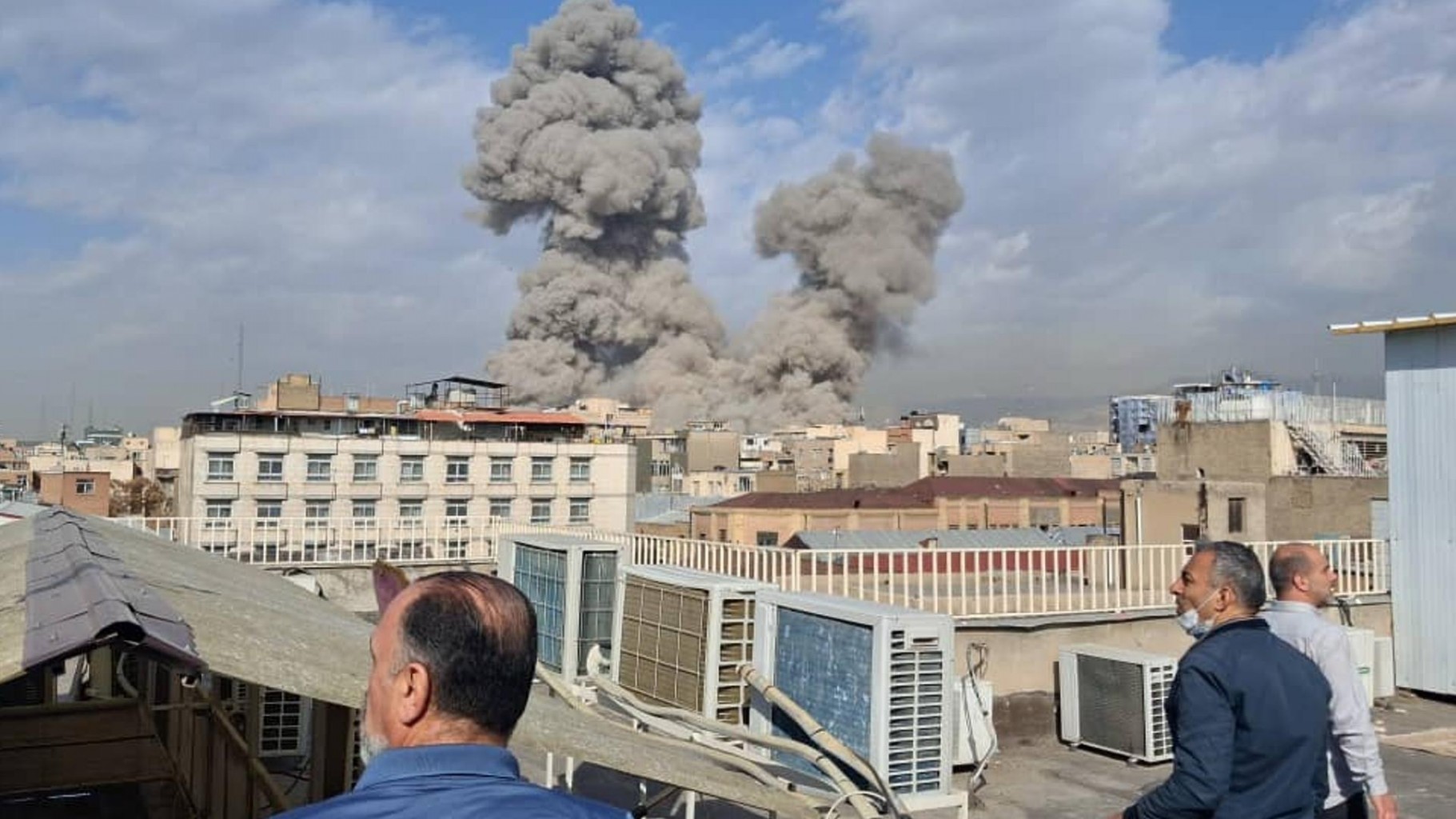
Estados Unidos e Israel realizaron ataques coordinados aéreos y con misiles contra múltiples objetivos en Irán, marcando uno de los mayores enfrentamientos militares directos en décadas. Estos ataques tuvieron como objetivo infraestructuras militares, sitios relacionados con la energía nuclear e instalaciones de liderazgo.
La ofensiva tiene un nombre en fuentes estadounidenses ("Operación Furia Épica" / Operación "Rugido del León" israelí"), reflejando un esfuerzo conjunto para degradar las capacidades nucleares, misiles y militares de Irán.
El conflicto ha escalado hasta convertirse en una crisis regional más amplia. Irán respondió con ataques con misiles y drones no solo en territorio israelí, sino también en bases estadounidenses y posiciones aliadas en el Golfo (incluyendo Arabia Saudí, Kuwait, Baréin y Emiratos Árabes Unidos).
Estados Unidos ha evacuado personal diplomático no esencial y ha emitido avisos de viaje para estadounidenses en muchos países de Oriente Medio mientras continúan las tensiones.
Las racciones internacionales y consecuencias diplomáticas se han sumado el Consejo de Seguridad de la ONU, el cual celebró una reunión de emergencia, con el secretario general de la ONU, António Guterres, condenando tanto los ataques entre EE.UU. e Israel como la represalia de Irán, advirtiendo de un conflicto más amplio si la desescalada fracasa.
Muchos países, especialmente del Sur Global, condenaron las acciones de Estados Unidos e Israel, acusándolas de violar el derecho internacional y pidiendo moderación y diplomacia.
Por otro lado, Irán ha mantenido una postura firme contra las acciones de EE. UU. e Israel, con la represalia en marcha. La verificación independiente de algunos hechos reportados sigue sin estar clara, pero Teherán ha acusado a Estados Unidos e Israel de atacar agresivamente la soberanía iraní. Los informes indican que la muerte del Líder Supremo iraní se ha atribuido a los ataques, aunque las confirmaciones oficiales han sido mixtas y cuestionadas. Durante los ataques de U.S.–Israeli se informo:
• Ayatollah Ali Khamenei, Iran’s Supreme Leader, was killed.
• Other senior officials including Ali Shamkhani, Abdolrahim Mousavi, and Aziz Nasirzadeh were also reported killed in the attacks on leadership and military targets in Tehran. These losses have deeply shaken Iran’s political and military command structure.
Funcionarios estadounidenses describen la campaña como preventiva y necesaria para evitar que Irán adquiera armas nucleares y suponga nuevas amenazas. También vinculan su respuesta a la expectativa de una represalia iraní contra los intereses estadounidenses.
La Casa Blanca apoya públicamente la seguridad de Israel, al tiempo que enfatiza la legalidad de las acciones bajo amenaza percibida y advierte al gobierno iraní que se retire.
El conflicto ha alterado el espacio aéreo, provocado bajas (tanto militares como civiles) y alterado los mercados globales, con especial reocupación por el transporte de energía.
Existen temores persistentes de que el conflicto pueda involucrar a otros actores regionales y milicias aliadas, ampliando el alcance más allá de la confrontación directa entre EE.UU., Israel e Irán.
ENGLISH:
U.S. and Israel Have Launched a Major Military strike Against Iran
The United States and Israel conducted coordinated air, and missile strikes against multiple targets in Iran, marking one of the largest direct military confrontations in decades. These strikes targeted military infrastructure, nuclear-related sites, and leadership facilities.
The offensive has a name in U.S. sources (“Operation Epic Fury” / Israeli “Operation Lion’s Roar”), reflecting a combined effort to degrade Iran’s nuclear, missile, and military capabilities.
The Conflict Has Escalated into a Wider Regional Crisis. Iran responded with missile and drone strikes not only on Israeli territory but also on U.S. bases and allied positions in the Gulf (including Saudi Arabia, Kuwait, Bahrain, and the UAE). The U.S. has evacuated non-essential diplomatic staff and issued travel warnings for Americans across many Middle Eastern countries as tensions continue.
The U.N. Security Council held an emergency meeting, with UN Secretary-General António Guterres condemning both the U.S.–Israel strikes and Iran’s retaliation, warning of a broader conflict if de-escalation fails.
Many countries, especially from the Global South, condemned U.S. and Israeli actions, accusing them of violating international law and calling for restraint and diplomacy.
Iran has maintained a firm stance against U.S. and Israeli actions, with retaliation continuing. Independent verification of some reported events remains unclear, but Tehran has accused the U.S. and Israel of aggressive targeting of Iranian sovereignty. Reports indicate that Iran’s Supreme Leader’s killing has been attributed to the strikes, though official confirmations have been mixed and contested. During coordinated U.S.–Israeli strikes:
• Ayatollah Ali Khamenei, Iran’s Supreme Leader, was killed.
• Other senior officials including Ali Shamkhani, Abdolrahim Mousavi, and Aziz Nasirzadeh were also reported killed in the attacks on leadership and military targets in Tehran. These losses have deeply shaken Iran’s political and military command structure.
U.S. officials describe the campaign as pre-emptive and necessary to prevent Iran from acquiring nuclear weapons and posing further threats. They also tie their response to the expectation of Iranian retaliation against American interests.
The White House publicly supports Israel’s security, while emphasizing the legality of actions under perceived threat, and warning the Iranian government to stand down.
The conflict has disrupted airspace, led to casualties (both military and civilian), and disrupted global markets, with particular concern for energy shipping through the Strait of Hormuz.
There are ongoing fears that the conflict could draw in other regional actors and allied militias, broadening the scope beyond the direct U.S.–Israel–Iran confrontation.
Comentar
Los campos obligatorios estan marcados con *
6 Comentarios
-
cd
18 August 2026 08:20buffet de churrasco madureira buffet de churrasco são gonçalo buffet de churrasco leblon buffet de churrasco são joão de meriti buffet de churrasco campo grande rj buffet de churrasco duque de caxias buffet de churrasco recreio dos bandeirantes buffet de churrasco curicica buffet de churrasco sulacap buffet de churrasco méier buffet de churrasco freguesia buffet de churrasco taquara buffet de churrasco ipanema buffet de churrasco magé buffet de churrasco itaipuaçú buffet de churrasco nova iguaçu buffet de churrasco de botafogo buffet de churrasco copacabana buffet de churrasco vargem grande buffet de churrasco itaboraí buffet de churrasco nilópolis buffet de churrasco maricá buffet de churrasco jacarepaguá buffet de churrasco alto da boa vista buffet de churrasco nova friburgo buffet infantil barra da tijuca buffet infantil jacarepagua buffet infantil botafogo buffet infantil niteroi buffet de festa junina rio de janeiro buffet de churrasco rio de janeiro buffet de churrasco rj buffet de churrasco niterói buffet de churrasco barra da tijuca thanks good!
-
seo
04 May 2026 05:47This is actually the kind of information I have been trying to find. Thank you for writing this information. bandar togel online
-
seo
03 May 2026 10:02Took me time to read all the comments, but I really enjoyed the article. It proved to be Very helpful to me and I am sure to all the commenters here! It’s always nice when you can not only be informed, but also entertained! miracle l
-
seo
29 April 2026 04:59I read that Post and got it fine and informative. 밤알바
-
seo
28 April 2026 05:38In fact dependable, fantastic, fact-filled advice in this case. A items Have let down, and that also clearly is valid in this case to boot. Most people consistently can make for a worthwhile read through. How can you show So i am floored?: )#) Cultivate the nice content pieces. Dubai short term rental (monthly)
-
seo
11 April 2026 09:22Common outings let us discuss simplest way to thanks a ton for your personal efforts, which will is why I'm just checking out the positioning on a daily basis, interested in innovative, helpful information and facts. Lots of, thanks a lot! 성인 PC방 허가























Comentar con Facebook