





Aumentan las preocupaciones de pequeñas empresas por la Pregunta Estatal 832
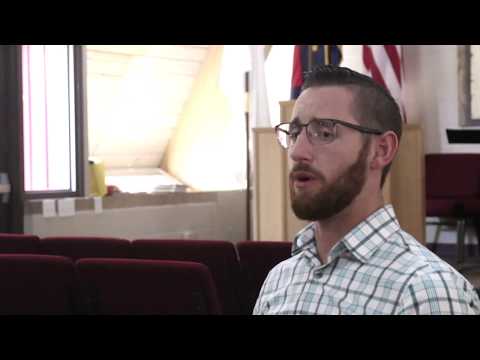
Tulsa Oklahoma.- La próxima votación sobre la Pregunta Estatal 832 está generando una gran preocupación en el sector de las pequeñas empresas de Oklahoma, con líderes del sector advirtiendo sobre consecuencias económicas de gran alcance. El director agrícola KC Sheperd se sentó recientemente con Jerrod Shouse, director estatal de la Federación Nacional de Empresas Independientes (NFIB), para debatir los posibles impactos de la Pregunta Estatal 832 en las pequeñas empresas y la comunidad agrícola. Mientras el estado se prepara para acudir a las urnas, la medida supone un punto de inflexión crucial para los empleadores locales.
"La Pregunta Estatal 832 se someterá a votación del pueblo aquí en cuestión de días", explicó Shouse. "Sube el salario mínimo del salario mínimo federal actual que tenemos en este estado, siete dólares o más, a 15, y luego sigue subiendo según el índice de precios al consumidor."
La NFIB, una asociación de pequeñas empresas que lleva operando durante más de 80 años, representa entre 3,000 y 4,000 propietarios de pequeñas empresas en todo Oklahoma. Para determinar su postura sobre el tema, la organización realizó votaciones internas tanto en 2024 como de nuevo recientemente.
"Abrumadoramente, cuando preguntamos a nuestros miembros: '¿Deberíamos apoyar o oponernos a esta iniciativa en la papeleta?', la respuesta fue abrumadoramente no", dijo Shouse. "Deberíamos oponernos a esta iniciativa electoral por cómo afectaría a los pequeños empresarios."
El efecto dominó en las operaciones de "familia- propietarios Mamá y Papá"
Shouse enfatizó que la gran mayoría de los pequeños negocios —a menudo denominados pequeños negocios familiares o negocios familiares o operaciones de Main Street— están distribuidos en los 77 condados de Oklahoma. Estas entidades, que pueden emplear entre dos y veinte personas, sirven directamente a sus comunidades locales. Aunque muchos ya pagan por encima del salario mínimo en respuesta a la demanda del mercado, un aumento impuesto por el gobierno supone un gran desafío.
"Cuando el gobierno entre y diga: 'Debes pagar este salario que es un nuevo salario que, digamos, es el doble de lo que pagas ahora', eso tendrá un efecto tremendo en cómo funciona su negocio", señaló Shouse. "¿De dónde va a salir ese dinero? Puede que tengan que subir los tipos. Puede que tengan que subir el precio de la comida que venden. Puede que tengan que subir el precio de los productos que tienen en sus tiendas."
Más allá de aumentar los precios para los consumidores, Shouse advirtió que los propietarios de negocios probablemente se enfrentarían a decisiones difíciles respecto a sus plantillas.
"Puede que tengan que reducir horas", afirmó Shouse. "Puede que no puedan contratar—cuando alguien se va a otro trabajo, puede que no puedan reemplazarlo. Así que tiene muchos efectos en una pequeña empresa que, francamente, una empresa más grande puede o no ser capaz de absorber. Pero realmente va a afectar directamente a los dueños de pequeñas empresas."
Impacto agrícola y eliminación de exenciones
Durante la conversación, Sheperd señaló una realidad frecuentemente pasada por alto: las compañias agrícolas son fundamentalmente pequeñas empresas, lo que significa que la medida tendrá un impacto significativo en los sectores agrícola y ganadero.
Shouse, que creció en un pequeño pueblo rodeado de agricultura, estuvo firmemente de acuerdo, señalando que él mismo ha participado en trabajos agrícolas. Destacó que operar fuera de los límites de la ciudad no exime a una granja o rancho de las realidades de la economía de las pequeñas empresas.
"La cuestión estatal elimina muchas de las exenciones relacionadas con la agricultura, y eso va a ser realmente difícil para nuestros pequeños agricultores familiares y ganaderos en las zonas rurales", advirtió Shouse.
Los productores rurales ya gestionan un entorno económico altamente volátil, lo que agrava la presión de un aumento salarial obligatorio.
"También están lidiando con aumentos de precio—aumento del combustible, aumento del equipamiento", explicó Shouse. "Ese tipo de cosas están recortando sus costes, y un aumento en los salarios que tendrán que pagar les va a dificultar aún más."
El mandato de un aumento de precio "para siempre"
Mientras que los defensores argumentan que un salario mínimo más alto proporcionaría un impulso económico inmediato al poner más dinero en los bolsillos de los trabajadores, la NFIB sostiene que la mecánica estructural de la cuestión estatal desencadenará una inestabilidad económica a largo plazo. La principal preocupación radica en vincular directamente el suelo salarial con las métricas de inflación.
"Suena bien, ¿verdad? Tener un poco de dinero extra en el bolsillo", reconoció Shouse. "Eso puede ser algo positivo a corto plazo, pero cuando lo vinculas al índice de precios al consumidor, ¿qué está haciendo la inflación? Si la inflación sube un 1,3% o un 4,1% interanual, entonces el salario mínimo también va a subir. Así que esto va a subir para siempre. No es solo una suposición; es la realidad. El índice de precios al consumidor sube cada año, y por tanto también lo hará el salario mínimo."
Esta indexación crea un desplazamiento continuo hacia arriba que afecta incluso a aquellos empleadores que actualmente pagan muy por encima del mínimo. Shouse recordó una conversación reciente con un pequeño empresario en Stillwater que actualmente paga a los empleados entre 15 y 20 dólares la hora.
"Cuando suba la tarifa mínima, y se va a duplicar... todos los demás también van a esperar un aumento de sueldo", dijo Shouse. "Así que aunque pagaras por encima del salario mínimo, eso desplaza todo el mercado hacia arriba. Si ya pagas 10 dólares por encima del salario mínimo, esos pequeños empresarios sentirán que, para mantener a sus empleados donde están, tendrán que pagar ellos mismos por encima del salario mínimo. Así que, aunque pagues por encima del salario mínimo, seguirá habiendo presión para pagar más."
Shouse reiteró que los propietarios de negocios en Oklahoma generalmente intentan establecer tarifas justas basadas en los sectores económicos locales y las realidades geográficas, asegurando que sus equipos puedan ganarse la vida cómodamente. Sin embargo, un cambio artificial de mercado altera ese equilibrio localizado.
Consecuencias a largo plazo para el empleo y la innovación
Se espera que los ajustes estructurales necesarios para absorber estos mayores costes laborales alteren fundamentalmente el mercado laboral de nivel inicial de Oklahoma. Shouse compartió un ejemplo personal, señalando que su hija consiguió su primer trabajo a los 16 años, ganando el salario mínimo.
"Le encantó, y fue una buena oportunidad de entrada para ella", reflexionó Shouse. "Creo que vamos a ver cómo se agota mucho de eso, porque las empresas que pueden permitirse arriesgarse con un estudiante de 16 años y pagarle 8 dólares la hora, 10 dólares la hora—todo eso ahora son 15 dólares la hora, ese tipo de trabajos creo que veremos desaparecer."
Además, la presión del aumento de los costes operativos se acelera con una transición continua hacia sistemas automatizados, una tendencia que podría aumentar notablemente si la medida se aprueba.
"Ya estás viendo un avance hacia la automatización", observó Shouse. "A nadie le gusta ver a un robot hacer un trabajo, o cuando tienes que hacer la caja de autoservicio, esas cosas. Creo que veremos más de eso, desafortunadamente, porque los pequeños empresarios y los grandes empresarios verán que hay que empezar a encontrar una forma a largo plazo de hacer que la economía funcione en este tipo de cosas."
En última instancia, la restricción sobre los márgenes financieros reduce el capital disponible para el desarrollo empresarial, la contratación y el crecimiento local.
"Creo que verás sitios que quizá tengan 12 empleados, que en adelante solo tengan nueve, y quizá tengan que reducir sus horas", dijo Shouse. "Pequeños empresarios... Tendremos que encontrar formas de que esto funcione de forma económica. Sus márgenes ya son estrechos; Ya no tienen mucho dinero para pagar a sus empleados, para empezar. Y están intentando ahorrar para, quizá, algo de equipo nuevo. Quizá necesite comprar una nueva excavadora, quizá necesite comprar un vehículo nuevo para mi flota. Quizá estoy intentando abrir una segunda ubicación. Esto va a afectar a todo eso, y creo que lo que verás es que los negocios que realmente intentan crecer y expandirse, esto también les va a tener un efecto disuasorio."
De cara al voto anticipado
Con la votación anticipada programada para comenzar el 11 de junio, la NFIB insta a los votantes a considerar los impactos sistémicos a largo plazo en la base económica del estado antes de emitir su voto.
"Para nosotros, la respuesta es votar no", concluyó Shouse. "Hay otras formas de intentar abordar cómo aumentamos los salarios y ponemos más dinero en los bolsillos de la gente. La NFIB ha apoyado durante mucho tiempo una base impositiva más justa; Durante mucho tiempo hemos apoyado menos regulaciones, lo que creemos que ayuda a los propietarios de pequeñas empresas a hacer crecer su negocio y a poder pagar más a sus empleados. Esta no es la respuesta correcta, así que pedimos a los habitantes de Oklahoma que, por favor, voten en contra."
ENGLISH:
Small Business Concerns Deepen Over State Question 832 as Vote Approaches
The upcoming vote on State Question 832 is sparking significant concern across Oklahoma’s small business sector, with industry leaders warning of sweeping economic consequences. Farm Director KC Sheperd recently sat down with Jerrod Shouse, the State Director of the National Federation of Independent Business (NFIB), to discuss the potential impacts of State Question 832 on small businesses and the agricultural community. As the state prepares to head to the polls, the measure presents a critical turning point for local employers.
“State Question 832 will be in front of a vote of the people here in just a matter of days,” Shouse explained. “It raises the minimum wage from the current federal minimum wage that we have in this state, seven plus dollars, to 15, and then it continues to go up based on the consumer price index.”
The NFIB, a small-business association that has operated for over 80 years, represents between 3,000 and 4,000 small-business owners across Oklahoma. To determine its stance on the issue, the organization conducted internal member ballots both in 2024 and again recently.
“Overwhelmingly, when we asked our members, ‘Should we support or oppose this ballot initiative?’ overwhelmingly the answer was no,” Shouse said. “We should oppose this ballot initiative because of how it would affect small business owners.”
The Ripple Effect on “Mom and Pop” Operations
Shouse emphasized that the vast majority of small businesses—often referred to as mom-and-pop shops or Main Street operations—are distributed throughout all 77 counties of Oklahoma. These entities, which may employ anywhere from two to 20 individuals, serve their local communities directly. While many already pay above the minimum wage in response to market demand, a government-mandated increase poses a severe challenge.
“When the government comes in and says, ‘You must pay this wage that is a new wage that is, let’s say, double what you’re paying now,’ that’s going to have a crazy effect on how their business operates,” Shouse noted. “Where’s that money going to come from? They may have to raise rates. They may have to raise the price of the food they’re selling. They may have to raise the price of the products that are in their stores.”
Beyond driving up prices for consumers, Shouse warned that business owners would likely face difficult choices regarding their workforces.
“They may have to cut back hours,” Shouse stated. “They may not be able to hire—when somebody leaves for another job, they may not be able to replace them. So it has a lot of effects on a small business that, frankly, a larger business may or may not be able to absorb. But it’s really going to hit small business owners just squarely right in the jaw.”
Agricultural Impact and the Elimination of Exemptions
During the conversation, Sheperd pointed out a frequently overlooked reality: agricultural operations are fundamentally small businesses, meaning the measure will significantly impact the farming and ranching sectors.
Shouse, who grew up in a small town surrounded by agriculture, strongly agreed, noting that he has hauled hay and participated in farm work himself. He highlighted that operating outside city limits does not exempt a farm or ranch from the realities of small business economics.
“The state question gets rid of a lot of the exemptions that are related to ag, and that’s going to be really difficult for our small family farmers and ranchers out in the rural areas,” Shouse warned.
Rural producers are already managing a highly volatile economic environment, compounding the pressure of a mandated wage increase.
“They are also dealing with price increases—increase in fuel, increase in equipment,” Shouse explained. “Those sorts of things are cutting into their costs, and an increase in the amount of wages they’re going to have to pay are going to make that even tougher for them.”
The Mandate of a “Forever” Price Hike
While proponents argue that a higher minimum wage would provide an immediate economic boost by placing more money into workers’ pockets, the NFIB argues that the structural mechanics of the state question will trigger long-term economic instability. The primary concern lies in linking the wage floor directly to inflation metrics.
“It sounds good, right? Having a little bit extra money in your pocket,” Shouse acknowledged. “That may be a short-term positive, but when you tie this to the consumer price index, meaning what is inflation doing? If inflation goes up 1.3% or 4.1% year-over-year, then the minimum wage is going to go up, too. So this is going to go up forever. It’s not just a guess; it is reality. The consumer price index goes up every single year, and therefore so will the minimum wage.”
This indexation creates a continuous upward shift that affects even those employers who currently pay well above the current minimum floor. Shouse recalled a recent conversation with a small business owner in Stillwater who currently pays staff members between $15 and $20 an hour.
“When the floor rate goes up, and it’s going to double… everybody else is going to expect a pay raise too,” Shouse said. “So even if you were paying above the minimum wage, that shifts the entire market upward. If you’re already paying $10 above the minimum wage, those small business owners are going to feel that, to keep their employees where they are, they’ll need to pay above the minimum wage themselves. So even if you’re paying above the minimum wage, there’s still going to be pressure to pay more.”
Shouse reiterated that Oklahoma business owners generally try to establish fair rates based on local economic sectors and geographic realities, ensuring their teams can make a comfortable living. However, an artificial market shift disrupts that localized balance.
Long-Term Consequences for Jobs and Innovation
The structural adjustments required to absorb these higher labor costs are expected to fundamentally alter Oklahoma’s entry-level job market. Shouse shared a personal example, noting that his daughter secured her first job at age 16, earning minimum wage.
“She loved it, and it was a good entry-level opportunity for her,” Shouse reflected. “I think we’re going to see a lot of that dry up, because companies that can afford to take a risk on a 16-year-old student and pay them $8 an hour, $10 an hour—everything now that’s $15 an hour, those sorts of jobs I think we’re going to see go away.”
Furthermore, the pressure of escalating operational costs is accelerated by an ongoing transition toward automated systems, a trend that could see a marked increase if the measure passes.
“You’re already seeing a move toward automation,” Shouse observed. “Nobody loves to see a robot do a job, or whenever you have to do self-checkout, those things. I think we’re going to see more of that, unfortunately, because the small business owners and the big business owners are going to see that you’ve got to start finding a way long-term to make the economics work when it comes to these sorts of things.”
Ultimately, the constraint on financial margins reduces the capital available for business development, hiring, and localized growth.
“I think you’re going to see places that maybe have 12 employees, they may only have nine going forward, and maybe they’re going to have to reduce their hours,” Shouse said. “Small business owners… are going to have to find ways to make this work economically. Their margins are already thin; they already don’t have a lot of money to pay their employees, to begin with. And they’re trying to save for like, maybe some new equipment. Maybe I need to buy a new bulldozer, maybe I need to buy a new vehicle for my fleet. Maybe I’m trying to open a second location. This is going to cut into all those sorts of things, and I think what you’re going to see is businesses that are honestly trying to grow and expand, this is going to have a chilling effect on them as well.”
Looking Ahead to Early Voting
With early voting scheduled to begin on June 11, the NFIB is urging voters to consider the long-term, systemic impacts on the state’s economic foundation before casting their ballots.
“For us, the answer is vote no,” Shouse concluded. “There are other ways we can try to address how we increase wages and put more money in people’s pockets. NFIB has long supported a fairer tax base; we’ve long supported fewer regulations, which we feel help small business owners grow their business and be able to pay their employees more. This is not the right answer, so we’re asking Oklahomans to please vote no.”
Comentar
Los campos obligatorios estan marcados con *
34 Comentarios
-
seo
01 October 2026 08:37That is thus gorgeous and also imaginative. I recently really like the particular shades and also anyone who receives that inside the email will probably be beaming. wengtoto login
-
RAZA
28 September 2026 06:52That is thus gorgeous and also imaginative. I recently really like the particular shades and also anyone who receives that inside the email will probably be beaming. situs slot gacor
-
RAZA
26 September 2026 08:03That is thus gorgeous and also imaginative. I recently really like the particular shades and also anyone who receives that inside the email will probably be beaming. IG粉絲增加
-
sad
13 August 2026 02:23That is really nice to hear. thank you for the update and good luck. bandar slot It is a great suggestions specifically to be able to people not used to blogosphere, quick and also correct information… Thank you regarding revealing this place. A necessity examine write-up. 신용카드 현금화 It is a great suggestions specifically to be able to people not used to blogosphere, quick and also correct information… Thank you regarding revealing this place. A necessity examine write-up. situs slot Appreciate it intended for giving new messages the matter, When i count on understand far more. slot gacor Appreciate it intended for giving new messages the matter, When i count on understand far more. situs toto
-
s
11 August 2026 04:07I wanted to thank you for this great read!! I definitely enjoying every little bit of it I have you bookmarked to check out new stuff you post. แทงบอล It is a great website.. The Design looks very good.. Keep working like that!. วิธีแทงบอล It is a great website.. The Design looks very good.. Keep working like that!. UFA88S That you are allowed to write-up bands, but is not inbound links, except there're okayed in addition to with subject matter. UFA88S Wonderful Content, Now i'm a massive believer for offer suggestions relating to internet websites to make sure you let the web page creators understandthat they’ve incorporated an issue good to make sure you just a couple of! slot gacor That you're allowed to place leaders, however is not one way links, except when they're just authorised together with regarding niche. link slot Wonderful blog post, resolved to go on and even bookmarked your webblog. As i can’t hold on to enjoy a book alot more as a result of one. bolagila I recently came across your blog and have been reading along. I thought I would leave my first comment. I don't know what to say except that I have enjoyed reading. Nice blog. I will keep visiting this blog very often. toto macau This is often as a result exquisite and even very creative. Freezing take pleasure in that tones and even whomever makes the application with the -mail can be beaming. situs toto
-
as
09 August 2026 09:15I wanted to thank you for this great read!! I definitely enjoying every little bit of it I have you bookmarked to check out new stuff you post. slot gacor I wanted to thank you for this great read!! I definitely enjoying every little bit of it I have you bookmarked to check out new stuff you post. olxtoto
-
d
09 August 2026 04:05This is my first time i visit here and I found so many interesting stuff in your blog especially it's discussion, thank you. togel online It is and so wonderful in addition to resourceful. I just now appreciate this colorings in addition to the person who obtains the item from the send will likely be happy. slot 5k It is and so wonderful in addition to resourceful. I just now appreciate this colorings in addition to the person who obtains the item from the send will likely be happy. situs slot I recently considered it could be a thought to create could someone else has been having troubles exploring yet I will be slightly not sure easily feel allowed to set brands and also address about the following. toto slot I recently considered it could be a thought to create could someone else has been having troubles exploring yet I will be slightly not sure easily feel allowed to set brands and also address about the following. situs slot gacor
-
s
06 August 2026 08:56I wanted to thank you for this great read!! I definitely enjoying every little bit of it I have you bookmarked to check out new stuff you post. slot online It is a great website.. The Design looks very good.. Keep working like that!. toto It is a great website.. The Design looks very good.. Keep working like that!. slot gacor That you are allowed to write-up bands, but is not inbound links, except there're okayed in addition to with subject matter. olxtoto
-
RAZA
06 August 2026 02:11I wanted to thank you for this great read!! I definitely enjoying every little bit of it I have you bookmarked to check out new stuff you post. pestoto It is a great website.. The Design looks very good.. Keep working like that!. slot resmi It is a great website.. The Design looks very good.. Keep working like that!. Best online casino That you are allowed to write-up bands, but is not inbound links, except there're okayed in addition to with subject matter. bandar slot Wonderful Content, Now i'm a massive believer for offer suggestions relating to internet websites to make sure you let the web page creators understandthat they’ve incorporated an issue good to make sure you just a couple of! live draw macau That you're allowed to place leaders, however is not one way links, except when they're just authorised together with regarding niche. slot777 Wonderful blog post, resolved to go on and even bookmarked your webblog. As i can’t hold on to enjoy a book alot more as a result of one. koitoto Great Publish, I'm a large believer within publishing remarks upon websites in order to allow weblog authors realize that they’ve additional some thing beneficial in order to the internet! situs gacor
-
FGGFD
04 August 2026 07:34This was a really great contest and hopefully I can attend the next one. It was alot of fun and I really enjoyed myself.. situs slot demo
-
sad
03 August 2026 09:55I wanted to thank you for this great read!! I definitely enjoying every little bit of it I have you bookmarked to check out new stuff you post. slot777 It is a great website.. The Design looks very good.. Keep working like that!. bandar togel It is a great website.. The Design looks very good.. Keep working like that!. data macau That you are allowed to write-up bands, but is not inbound links, except there're okayed in addition to with subject matter. hargatoto Wonderful Content, Now i'm a massive believer for offer suggestions relating to internet websites to make sure you let the web page creators understandthat they’ve incorporated an issue good to make sure you just a couple of! slot gacor That you're allowed to place leaders, however is not one way links, except when they're just authorised together with regarding niche. hptoto Wonderful blog post, resolved to go on and even bookmarked your webblog. As i can’t hold on to enjoy a book alot more as a result of one. slot
-
sseo
01 August 2026 08:15I found that site very usefull and this survey is very cirious, I ' ve never seen a blog that demand a survey for this actions, very curious... situs toto slot It is and so wonderful in addition to resourceful. I just now appreciate this colorings in addition to the person who obtains the item from the send will likely be happy. hptoto alternatif It is and so wonderful in addition to resourceful. I just now appreciate this colorings in addition to the person who obtains the item from the send will likely be happy. slot gacor hari ini thanks this is good blog. situs slot Cool stuff you have got and you keep update all of us. slot online In fact dependable, fantastic, fact-filled advice in this case. A items Have let down, and that also clearly is valid in this case to boot. Most people consistently can make for a worthwhile read through. How can you show So i am floored?: )#) Cultivate the nice content pieces. situs slot
-
h
29 July 2026 08:39Thanks for sharing the post.. parents are worlds best person in each lives of individual..they need or must succeed to sustain needs of the family. koitoto it is certainly wonderful along with meanful. it is certainly neat web site. Backlinks is incredibly valuable issue. you've got genuinely made it easier for some people whom pay a visit to web site and still provide these people usefull data. empresas de seguridad privada en cdmx it is certainly wonderful along with meanful. it is certainly neat web site. Backlinks is incredibly valuable issue. you've got genuinely made it easier for some people whom pay a visit to web site and still provide these people usefull data. kikototo
-
fhg
28 July 2026 12:00Thank you so much for sharing this great blog.Very inspiring and helpful too.Hope you continue to share more of your ideas.I will definitely love to read. instagram song download
-
hg
28 July 2026 09:17Thanks for sharing the post.. parents are worlds best person in each lives of individual..they need or must succeed to sustain needs of the family. togel online
-
df
26 July 2026 10:16Thanks for sharing the post.. parents are worlds best person in each lives of individual..they need or must succeed to sustain needs of the family. olxtoto it is certainly wonderful along with meanful. it is certainly neat web site. Backlinks is incredibly valuable issue. you've got genuinely made it easier for some people whom pay a visit to web site and still provide these people usefull data. toto togel it is certainly wonderful along with meanful. it is certainly neat web site. Backlinks is incredibly valuable issue. you've got genuinely made it easier for some people whom pay a visit to web site and still provide these people usefull data. toto togel Wow, What a Excellent post. I really found this to much informatics. It is what i was searching for.I would like to suggest you that please keep sharing such type of info.Thanks olxtoto Thanks for a wonderful share. Your article has proved your hard work and experience you have got in this field. Brilliant .i love it reading. koitoto Excellent and very exciting site. Love to watch. Keep Rocking. koitoto Really unquie place, Thank you so much meant for posting The experience. Fantasticly penned report, anxieties most of folks given similar volume of material as you may, the online market place might be a a lot better put. Be sure to keep it up! olxtoto
-
RAZA
25 July 2026 09:11Thanks for sharing the post.. parents are worlds best person in each lives of individual..they need or must succeed to sustain needs of the family. slot88 it is certainly wonderful along with meanful. it is certainly neat web site. Backlinks is incredibly valuable issue. you've got genuinely made it easier for some people whom pay a visit to web site and still provide these people usefull data. slot it is certainly wonderful along with meanful. it is certainly neat web site. Backlinks is incredibly valuable issue. you've got genuinely made it easier for some people whom pay a visit to web site and still provide these people usefull data. koitoto
-
asd
25 July 2026 03:56Thanks for sharing the post.. parents are worlds best person in each lives of individual..they need or must succeed to sustain needs of the family. dewatogel masuk
-
raza
24 July 2026 11:48I found that site very usefull and this survey is very cirious, I ' ve never seen a blog that demand a survey for this actions, very curious... slot online
-
asd
23 July 2026 08:32This is a great inspiring article.I am pretty much pleased with your good work.You put really very helpful information. Keep it up. Keep blogging. Looking to reading your next post. slot online it is decent not to mention meanful. it is fascinating blog page. Back-links is really effective detail. you possess in fact made it easier many of us what individuals explore blog page and put up these products usefull advice. slot88 it is decent not to mention meanful. it is fascinating blog page. Back-links is really effective detail. you possess in fact made it easier many of us what individuals explore blog page and put up these products usefull advice. togel 4d Preserve the fantastic succeed, Document look at small number of reports using this ınternet site and additionally I presume the cyberspace web page is normally substantial unique there are found groups about terrific knowledge. situs bola
-
f
20 July 2026 09:29It is a great website.. The Design looks very good.. Keep working like that!. situs slot It was wondering if I could use this write-up on my other website, I will link it back to your website though.Great Thanks. situs slot
-
asd
20 July 2026 09:04Thanks for sharing us. hptoto it is definitely excellent blog site. it is realy info as well as a a really beneficial task. i adore that. togel online it is definitely excellent blog site. it is realy info as well as a a really beneficial task. i adore that. situs toto This is certainly hence attractive plus artistic. I like a colorations plus whichever company may get them while in the mailbox might be smiling. kokitoto login
-
aw
19 July 2026 02:28I recently found many useful information in your website especially this blog page. Among the lots of comments on your articles. Thanks for sharing. koitoto I recently found many useful information in your website especially this blog page. Among the lots of comments on your articles. Thanks for sharing. hptoto
-
casc
15 July 2026 11:19This is my first time i visit here. I found so many interesting stuff in your blog especially its discussion. From the tons of comments on your articles, I guess I am not the only one having all the enjoyment here keep up the good work 38H
-
asdsad
15 July 2026 07:42Wow, What a Excellent post. I really found this to much informatics. It is what i was searching for.I would like to suggest you that please keep sharing such type of info.Thanks olxtoto macau Wow, What a Excellent post. I really found this to much informatics. It is what i was searching for.I would like to suggest you that please keep sharing such type of info.Thanks slot online I appreciated your work very thanks bola online We amazed using the evaluation a person designed to get this to specific submit amazing. Fantastic exercise! olxtoto slot the country's quite terrific web page. the country's realy info along with a very wonderful activity. i need this approach. slot gacor
-
asdsaa
14 July 2026 08:32Wow, What a Excellent post. I really found this to much informatics. It is what i was searching for.I would like to suggest you that please keep sharing such type of info.Thanks result macau Wow, What a Excellent post. I really found this to much informatics. It is what i was searching for.I would like to suggest you that please keep sharing such type of info.Thanks situs togel I appreciated your work very thanks togel online
-
seo
13 July 2026 08:02Keep up to date the nice deliver the results, I actually learn very few discussions during this webpage plus There's no doubt that that your chosen website site is definitely serious helpful and has now became encircles with brilliant information and facts. situs mahjong When you use a genuine service, you will be able to provide instructions, share materials and choose the formatting style. situs togel I was reading some of your content on this website and I conceive this internet site is really informative ! Keep on putting up. slot gacor Great job for publishing such a beneficial web site. Your web log isn’t only useful but it is additionally really creative too. slot gacor Brilliant text. A posting is affecting loads of imperative complications one's world. Most people can't be uninvolved so that you can all these complications. The following posting supplies plans plus basics. Pretty enlightening plus simple. situs gacor
-
seo
13 July 2026 08:02Thanks for the blog loaded with so many information. Stopping by your blog helped me to get what I was looking for. slot gacor gopay Keep up to date the nice deliver the results, I actually learn very few discussions during this webpage plus There's no doubt that that your chosen website site is definitely serious helpful and has now became encircles with brilliant information and facts. slot depo 5000
-
RAZA
12 July 2026 02:06I actually pleasantly surprised together with the study you actually manufactured to make this special upload unbelievable. Excellent hobby! Diore Immobilier
-
asdsa
11 July 2026 09:06Nice post! This is a very nice blog that I will definitively come back to more times this year! Thanks for informative post. togel online Nice post! This is a very nice blog that I will definitively come back to more times this year! Thanks for informative post. slot online Excellent publish, Thanks with regard to discussing This particular understanding. Wonderfully created post, if perhaps just about all writers provided exactly the same degree of content material while you, the web will be a far better location. Make sure you continue the good work! slot online
-
asdsa
09 July 2026 07:48A very awesome blog post. We are really grateful for your blog post. You will find a lot of approaches after visiting your post. depo 5k A very awesome blog post. We are really grateful for your blog post. You will find a lot of approaches after visiting your post. hargatoto login
-
f
09 July 2026 04:49This is such a great resource that you are providing and you give it away for free. I love seeing blog that understand the value of providing a quality resource for free. koi toto My spouse and i shocked while using investigation anyone created to choose this certain release outstanding. Amazing task! toto togel My spouse and i shocked while using investigation anyone created to choose this certain release outstanding. Amazing task! koi toto It is and so wonderful in addition to resourceful. I just now appreciate this colorings in addition to the person who obtains the item from the send will likely be happy. koi toto Excellent article. Very interesting to read. I really love to read such a nice article. Thanks! keep rocking. slot gacor That you are allowed to write-up bands, but is not inbound links, except there're okayed in addition to with subject matter. gacor Sustain the great do the job, When i understand several threads within this web page in addition to I'm sure that a world-wide-web blog site is usually authentic useful possesses bought bags connected with excellent facts. situs slot Thanks for your time designed for advertisment a great very good guide! I noticed your internet-site ideal for a must have. It has splendid and even effective content articles. Compete the best get the job done! situs toto This particular is a superb publish We observed because of reveal this. It really is exactly what I needed to determine wish within long term you'll carry on with regard to discussing this type of superb publish. slot gacor
-
g
05 July 2026 09:58I definitely enjoying every little bit of it. It is a great website and nice share. I want to thank you. Good job! You guys do a great blog, and have some great contents. Keep up the good work. wengtoto login New web site is looking good. Thanks for the great effort. wengtoto login New web site is looking good. Thanks for the great effort. 성남보청기 Great job for publishing such a beneficial web site. Your web log isn’t only useful but it is additionally really creative too. wengtoto login That you are allowed to write-up bands, but is not inbound links, except there're okayed in addition to with subject matter. 신용카드 현금화 May very well just launched some blog page, the knowledge most people furnish on this internet site seems to have made it easier everybody vastly. Thanks a lot for the purpose of your personal instance & give good results. toto togel In reality That i look over it all not long ago however , I saw it certain thinkings about that and after this I want to read the paper it all for a second time given that it's well written. slot depo 5k Remarkable content, decided in front of you and additionally book marked your blog post. Document can’t simply wait to read a great deal more right from you will. slot gacor
-
seo
04 July 2026 09:25Cheap content, With thanks just for stating This approach skills. Wonderfully developed page, only if all of the the blogosphere obtainable the equivalent degree content and articles simply because, websites became a more desirable space. Delight continue! slot88
























Comentar con Facebook